
Carbon zero for small businesses
Updated September 2, 2026 · 4 min read
Small businesses are increasingly looking towards carbon zero solutions to reduce their environmental impact and embrace sustainability. As the world shifts towards cleaner energy sources and stricter emissions regulations, the need for small businesses to adopt carbon zero practices becomes more critical than ever before.
The Role of Electric Vehicles in Achieving Carbon Zero
Electric vehicles (EVs) play a crucial role in helping small businesses achieve carbon zero status. By transitioning their fleet to electric vehicles, businesses can significantly reduce their carbon footprint and contribute to a cleaner environment. The advancements in EV technology have made it easier and more cost-effective for small businesses to make the switch.
One challenge that small businesses face when adopting EVs is the availability of charging infrastructure. However, with the growing network of charging stations and incentives for businesses to install charging stations on their premises, this barrier is gradually being overcome.
Sustainable Technology Adoption
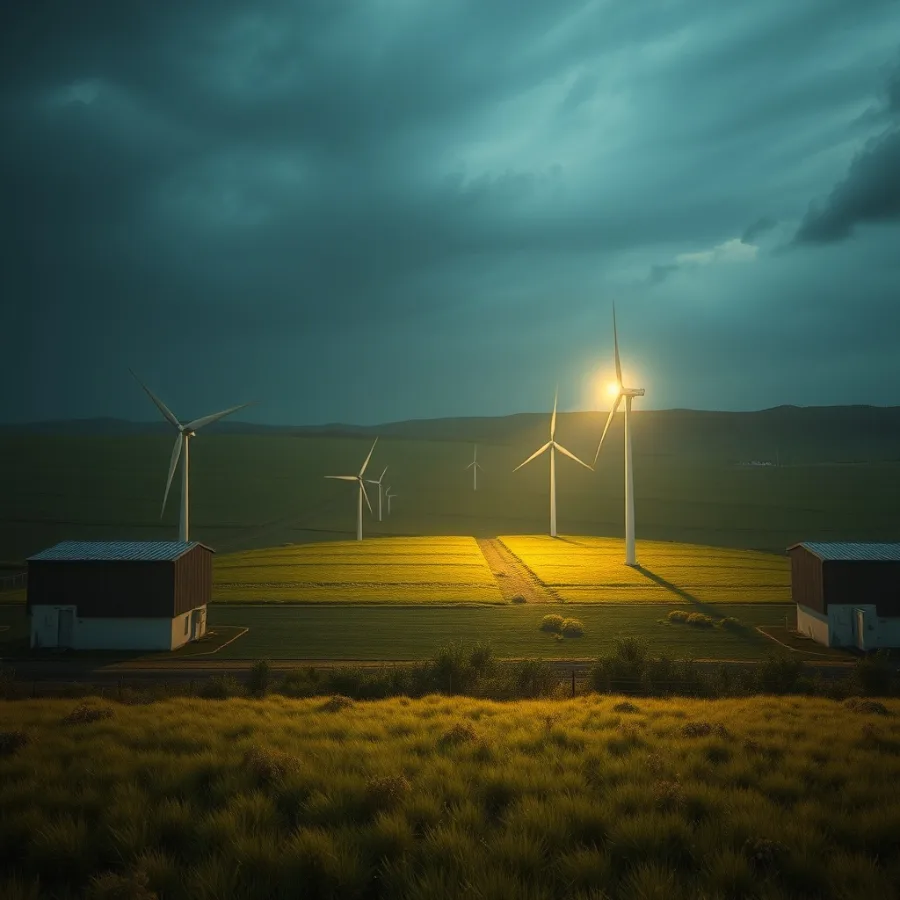
Small businesses are also exploring other sustainable technologies beyond electric vehicles to achieve carbon zero status. This includes investing in renewable energy sources such as solar panels, wind turbines, and energy storage solutions. By generating their electricity from clean sources, businesses can further reduce their carbon emissions and energy costs.
- Investing in solar panels for on-site energy generation
- Implementing energy-efficient practices and technologies
- Exploring opportunities for carbon offsetting and renewable energy credits
Market Trends and Growth Opportunities
The market for carbon zero solutions for small businesses is rapidly expanding, driven by both regulatory requirements and consumer demand for sustainable products and services. Small businesses that proactively embrace carbon zero practices stand to gain a competitive edge, attract environmentally conscious customers, and contribute to a greener future.
As the cost of renewable energy technologies continues to decline and government incentives for clean energy adoption increase, the business case for going carbon zero becomes stronger. Small businesses that take the lead in sustainability initiatives can position themselves as industry pioneers and create a positive impact on the environment.
Regional Market Analysis
When considering carbon zero solutions, it is essential to analyze regional market dynamics and opportunities. Different regions have varying levels of renewable energy adoption, regulatory frameworks, and access to clean energy resources. Understanding the regional context can help small businesses tailor their carbon zero strategies effectively.
- Market analysis for USA, Europe, China, Middle East, and India
- Policy incentives and regulations affecting small businesses
- Regional partnerships and collaborations for sustainable growth
| Category | Details | Impact |
| Renewable Energy Adoption | Increasing use of solar and wind power | Reduction in carbon emissions |
| Regulatory Frameworks | Policies supporting clean energy transition | Market stability and growth |
| Access to Clean Energy | Availability of renewable energy resources | Opportunities for sustainable growth |
Future Predictions and Industry Outlook
Looking ahead, the future of small businesses and carbon zero initiatives is promising. With advancements in technology, increased awareness of environmental issues, and a shift towards sustainable practices, small businesses have the opportunity to lead the way in creating a greener and more sustainable economy.
By embracing carbon zero solutions, small businesses can not only reduce their environmental impact but also drive innovation, attract top talent, and build a positive brand image. The journey towards carbon zero may present challenges, but the benefits far outweigh the costs in the long run.
Related guides: 2026 Net-Zero Standards: A Guide for Small Businesses [Step-by-Step], Carbon zero solutions for businesses 2026, New Net-Zero Regulations for Small Businesses: Compliance Guide
Frequently Asked Questions
How can small businesses benefit from adopting carbon zero practices?
Small businesses can benefit from adopting carbon zero practices by reducing their environmental impact, attracting environmentally conscious customers, and gaining a competitive edge in the market.
What are some key challenges small businesses face when transitioning to carbon zero?
Some key challenges include initial investment costs, lack of awareness about sustainable technologies, and the need for infrastructure upgrades to support clean energy solutions.
Are there government incentives available to support small businesses in going carbon zero?
Yes, many governments offer incentives such as tax credits, grants, and rebates to encourage small businesses to adopt carbon zero practices and invest in renewable energy technologies.
How can small businesses measure the impact of their carbon zero initiatives?
Small businesses can measure the impact of their carbon zero initiatives by tracking energy consumption, carbon emissions, and cost savings resulting from sustainable practices. Environmental audits and certifications can also provide valuable insights.
What role do employees play in supporting small businesses’ carbon zero goals?
Employees play a crucial role in implementing and sustaining carbon zero practices within small businesses. Engaging employees through training, awareness programs, and incentives can help create a culture of sustainability and drive collective action towards carbon neutrality.
External Resources
Final Industry Outlook
As small businesses continue to navigate the transition towards carbon zero, collaboration, innovation, and a commitment to sustainability will be key drivers of success. By embracing clean energy technologies, reducing carbon emissions, and fostering a culture of environmental responsibility, small businesses can play a significant role in shaping a more sustainable future for generations to come.
Sources and Further Reading
Related Posts



Leave a Comment
Your comment will be published after it has been approved. Please send comments that do not contain slang words.