
Impact of electric aviation policy
Updated September 2, 2026 · 2 min read
Electric aviation policy is shaping the future of air travel by prioritizing sustainability and reducing carbon emissions. This shift towards electric aircraft is not only driven by environmental concerns but also by the need for more efficient and cost-effective transportation solutions. As governments and aviation authorities worldwide are embracing these changes, the impact of electric aviation policy is becoming increasingly significant in the industry. This article delves into the various aspects of electric aviation policy and its implications for the future of air travel.
Environmental Benefits of Electric Aviation
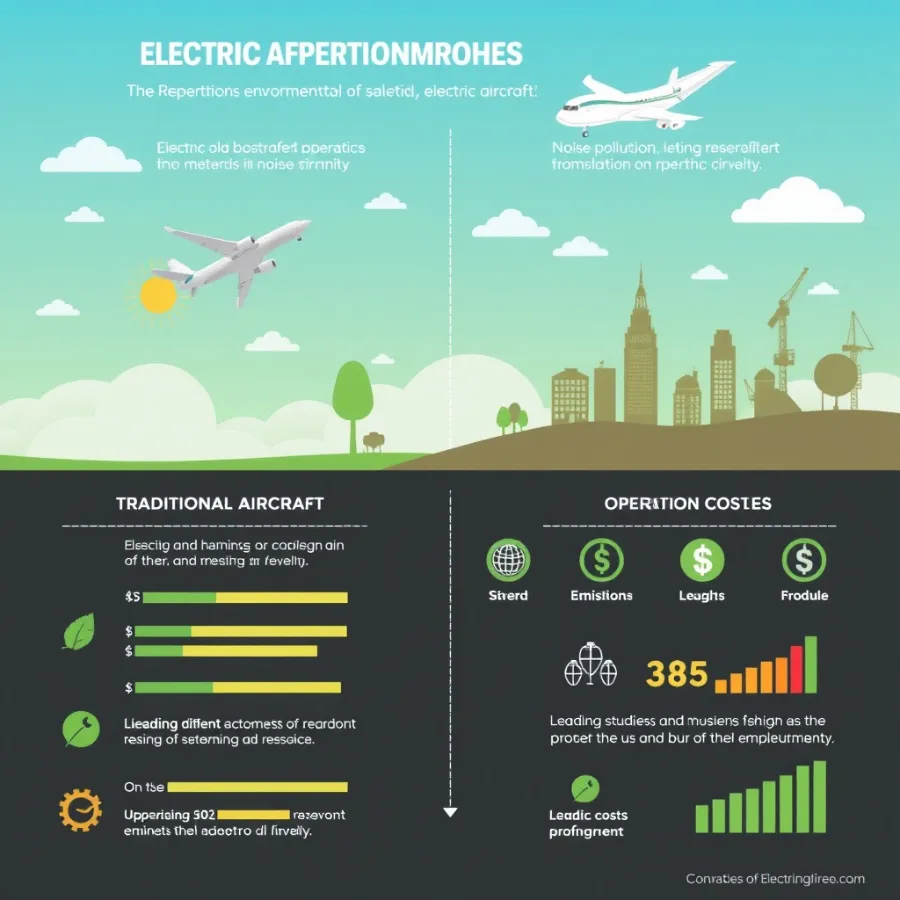
The transition to electric aircraft offers numerous environmental benefits, including the reduction of greenhouse gas emissions and noise pollution. By replacing traditional fossil fuel-powered engines with electric motors, aircraft can operate more quietly and emit significantly fewer pollutants into the atmosphere. This shift towards sustainable aviation is crucial in combating climate change and promoting eco-friendly travel options.
Regulatory Framework and Challenges
The implementation of electric aviation policy requires a robust regulatory framework to ensure safety, reliability, and compliance with international standards. Governments are faced with the challenge of developing regulations that accommodate the unique characteristics of electric aircraft while maintaining high safety standards. Addressing issues such as battery technology, infrastructure development, and pilot training are key considerations in shaping effective policies for electric aviation.
Market Trends and Economic Implications
The adoption of electric aviation is not only driven by environmental concerns but also by its economic benefits. Electric aircraft have lower operating costs and maintenance requirements, making them a cost-effective option for airlines in the long run. As market trends continue to shift towards sustainable transportation solutions, the economic implications of electric aviation policy are becoming increasingly favorable for both airlines and passengers alike.
Global Perspectives and Collaboration
The global nature of the aviation industry necessitates collaboration among countries to harmonize regulations and standards for electric aviation. International cooperation is essential in promoting innovation, sharing best practices, and fostering a competitive market for electric aircraft manufacturers. By working together, governments can accelerate the adoption of electric aviation and create a more sustainable future for air travel.
Future Outlook and Innovation
Looking ahead, the future of electric aviation is filled with opportunities for innovation and technological advancements. From hybrid-electric to fully electric aircraft, industry leaders are exploring new possibilities to enhance the efficiency and performance of electric aviation. With continued research and development, electric aviation policy is set to revolutionize the way we travel and pave the way for a greener, more sustainable aviation industry.
Related guides: Policy impact on EV charging, Electric aviation noise impact, Carbon zero policy impact
Sources and Further Reading
Related Posts

Leave a Comment
Your comment will be published after it has been approved. Please send comments that do not contain slang words.