
Zero-Emission Logistics
Updated September 2, 2026 · 2 min read
Zero-emission logistics is a crucial aspect of sustainable transportation in today’s world. As the demand for eco-friendly solutions rises, the logistics industry is facing pressure to reduce its carbon footprint. The shift towards electric vehicles and alternative fuels is becoming more prominent in the supply chain sector, aiming to minimize environmental impact while optimizing efficiency.
The Importance of Zero-Emission Logistics
Transitioning to zero-emission logistics is not only essential for reducing greenhouse gas emissions but also for meeting regulatory requirements. Companies that embrace sustainable practices can gain a competitive edge in the market while contributing to a cleaner environment. By investing in electric vehicles and renewable energy sources, businesses can significantly reduce their carbon emissions, improving air quality and public health.
Advantages of Green Supply Chain Management
Implementing zero-emission logistics as part of a green supply chain management strategy offers numerous benefits. Companies can lower operational costs in the long run, decrease reliance on fossil fuels, and enhance their brand image as environmentally responsible organizations. Additionally, adopting sustainable practices can lead to increased customer loyalty and attract eco-conscious consumers who prioritize environmental stewardship.
The Role of Electric Vehicles in Logistics
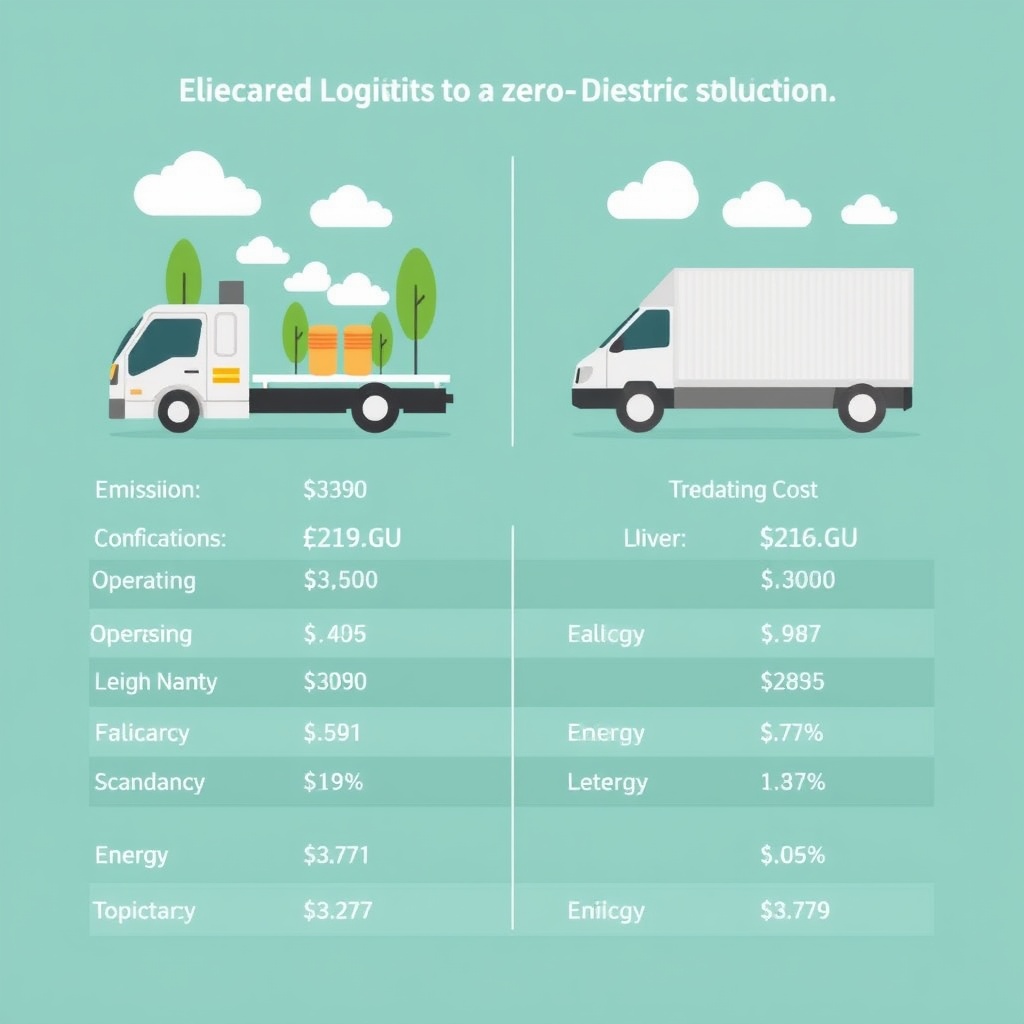
Electric vehicles play a significant role in achieving zero-emission logistics. With advancements in battery technology and charging infrastructure, electric trucks and vans are becoming more viable options for transporting goods. By electrifying their fleets, logistics companies can reduce noise pollution, improve energy efficiency, and reduce maintenance costs associated with traditional diesel vehicles.
Overcoming Challenges in Implementing Zero-Emission Logistics
Despite the benefits, transitioning to zero-emission logistics comes with challenges such as high upfront costs, limited infrastructure, and range limitations of electric vehicles. Companies need to carefully plan their transition strategies, explore government incentives, and collaborate with stakeholders to overcome these obstacles. Investing in research and development to improve battery technology and charging infrastructure is crucial for the widespread adoption of electric vehicles in logistics.
Building a Sustainable Future with Zero-Emission Logistics
In conclusion, zero-emission logistics is not just a trend but a necessity for building a sustainable future. By embracing green supply chain practices, investing in electric vehicles, and addressing challenges proactively, the logistics industry can lead the way in reducing carbon emissions and mitigating climate change. It is imperative for businesses to prioritize sustainability and work towards a cleaner, greener future through innovative solutions and strategic partnerships.
Related guides: Zero-Emission Shipping, Logistics Energy Savings, Autonomous Logistics Pros
Sources and Further Reading
Related Posts

Leave a Comment
Your comment will be published after it has been approved. Please send comments that do not contain slang words.