
Sustainable Aviation Strategy
Updated September 2, 2026 · 2 min read
As aviation continues to be a significant contributor to global carbon emissions, the need for a sustainable aviation strategy has never been more critical. Airlines, manufacturers, and regulatory bodies are increasingly focused on developing eco-friendly aircraft, implementing green aviation technology, and reducing the industry’s carbon footprint. By embracing renewable aviation fuel, exploring innovative design solutions, and committing to operational efficiencies, the aviation sector is poised to make significant strides towards a more sustainable future.
The Urgency of Sustainable Aviation
The urgency of sustainable aviation practices is evident in the industry’s significant environmental impact. With air travel projected to continue growing, addressing carbon emissions and environmental concerns is paramount. The development of sustainable aviation strategies is crucial to mitigate the industry’s environmental footprint and ensure a greener future for aviation.
Innovations in Green Aviation Technology
Advancements in green aviation technology are driving the industry towards sustainability. From electric and hybrid-electric propulsion systems to lightweight materials and aerodynamic designs, manufacturers are exploring innovative solutions to reduce emissions and increase fuel efficiency. These technologies not only benefit the environment but also enhance operational performance and cost-effectiveness for airlines.
The Role of Renewable Aviation Fuel
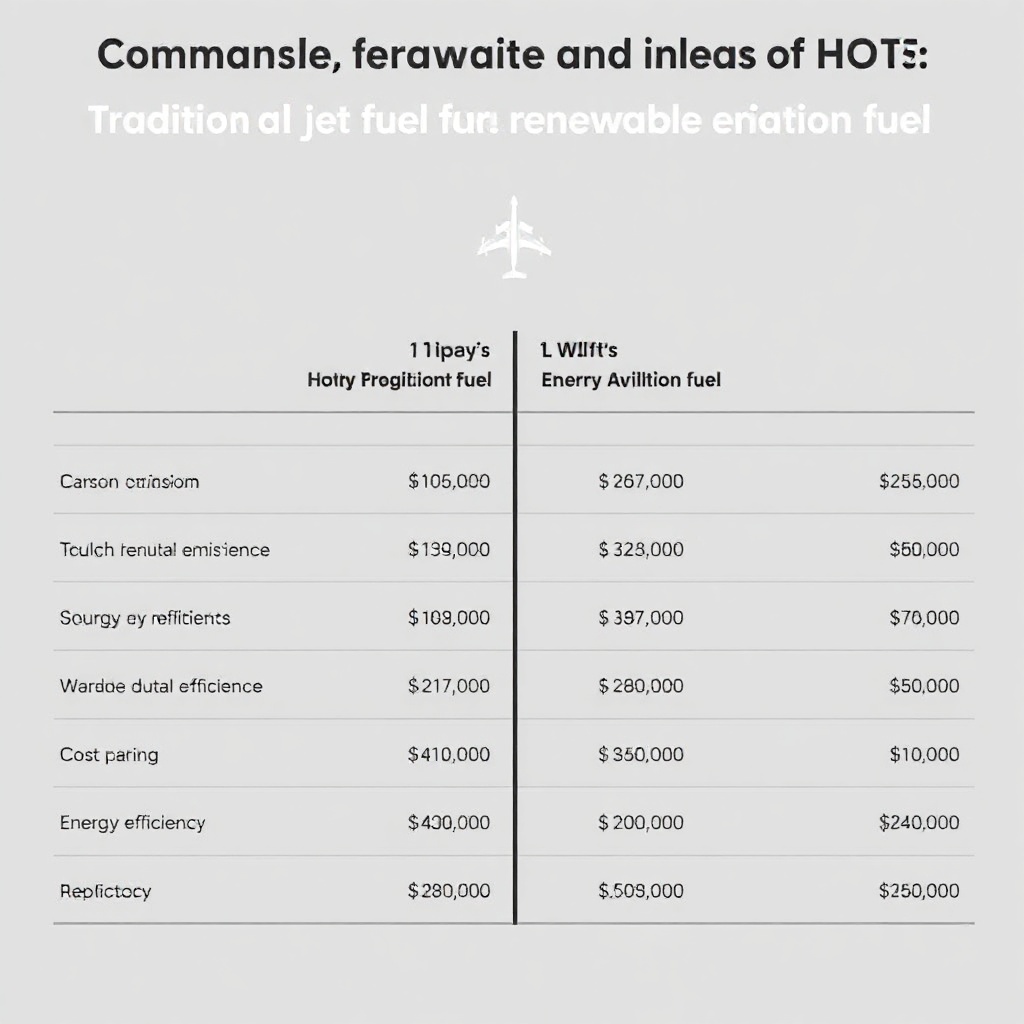
Renewable aviation fuel, derived from sustainable feedstocks such as waste oils, agricultural residues, and algae, plays a vital role in reducing carbon emissions. By replacing traditional jet fuel with renewable alternatives, airlines can significantly decrease their environmental impact without compromising performance or safety. The widespread adoption of renewable aviation fuel is essential for achieving long-term sustainability goals in the aviation industry.
Implementing Sustainable Practices
In addition to technological advancements, implementing sustainable practices in aircraft operations and infrastructure is essential. From optimizing flight routes and reducing aircraft weight to investing in energy-efficient facilities and recycling programs, airlines can make a tangible impact on their environmental footprint. Collaborating with industry partners, regulatory agencies, and environmental organizations is key to driving collective action towards sustainability.
Regulatory Support and Industry Collaboration
Regulatory support and industry collaboration are crucial components of a successful sustainable aviation strategy. Governments around the world are implementing policies and incentives to encourage the adoption of eco-friendly aviation practices, such as emissions trading schemes and carbon offset programs. By working together towards common goals, stakeholders in the aviation sector can accelerate the transition to a more sustainable and environmentally responsible industry.
Investing in Sustainable Future
As the demand for air travel continues to rise, investing in a sustainable future for aviation is not just an option but a necessity. By prioritizing sustainability, embracing green technologies, and committing to reducing carbon emissions, the aviation industry can lead the way towards a cleaner, greener future for air transportation. Through collaboration, innovation, and a shared commitment to environmental stewardship, sustainable aviation is within reach.
Related guides: Sustainable Aviation Fuel vs Electric Aviation, Sustainable Fleet Strategy, Joby Aviation vs Archer Aviation: Who Wins the FAA Certification Race?
Sources and Further Reading
Related Posts



Leave a Comment
Your comment will be published after it has been approved. Please send comments that do not contain slang words.