
What is future mobility
Updated September 2, 2026 · 2 min read
The future of mobility is an exciting and rapidly evolving landscape that encompasses various technological advancements, changes in consumer behavior, and urban planning strategies. As we look ahead to what lies beyond traditional transportation methods, it’s essential to understand the key concepts shaping the future of mobility.
What are the key drivers of future mobility
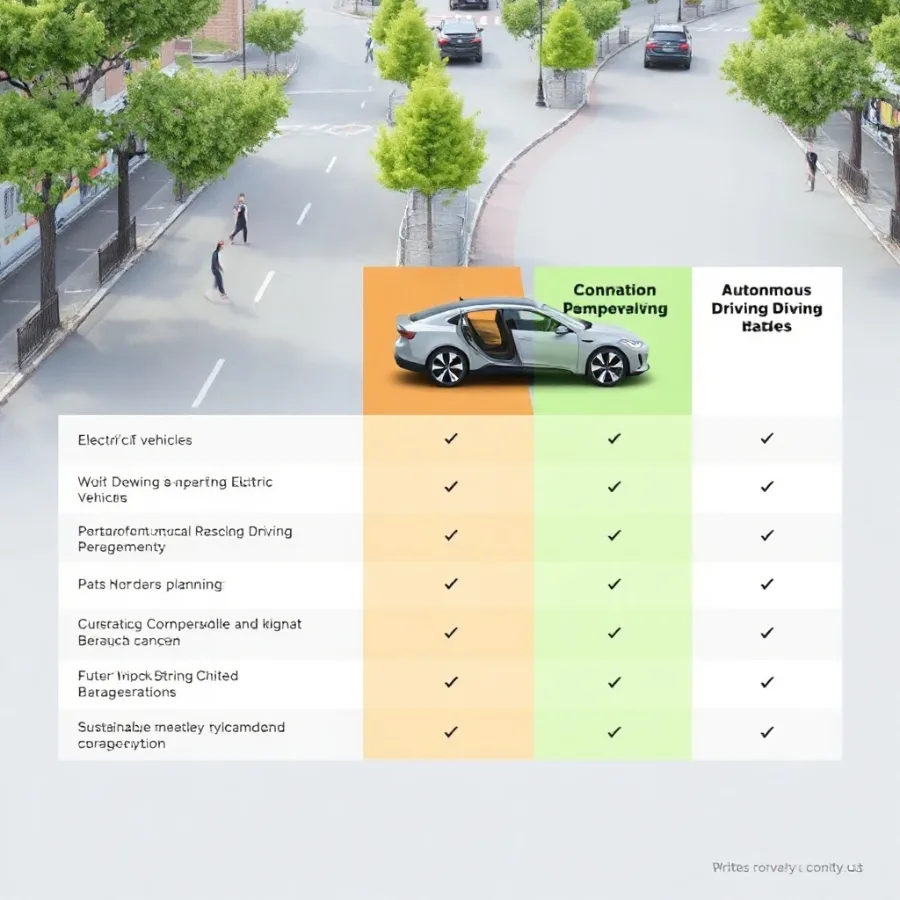
The key drivers of future mobility include the rise of electric vehicles, advancements in autonomous driving technology, the shift towards sustainable urban planning, and the increasing focus on connectivity and shared mobility services. These factors are reshaping the way we think about transportation and are paving the way for a more efficient, environmentally friendly, and convenient mobility ecosystem.
How are electric vehicles transforming the transportation industry
Electric vehicles (EVs) are playing a crucial role in reducing carbon emissions and combating climate change. With improvements in battery technology, charging infrastructure, and government incentives, EVs are becoming more accessible and affordable for consumers. The transition to electric vehicles is not only reducing the environmental impact of transportation but also driving innovation in the automotive industry.
What role does autonomous driving technology play in future mobility
Autonomous driving technology has the potential to revolutionize the way we move from one place to another. By eliminating the need for human drivers, autonomous vehicles can enhance safety, reduce traffic congestion, and improve the overall efficiency of transportation systems. As companies continue to invest in self-driving technology, we are moving closer to a future where cars can navigate roads autonomously.
How does sustainable urban planning contribute to future mobility
Sustainable urban planning focuses on creating cities that prioritize pedestrians, cyclists, and public transportation over private vehicles. By designing cities with walkable neighborhoods, efficient public transit systems, and green spaces, urban planners can reduce reliance on cars and promote a more sustainable way of living. Sustainable urban planning is essential for creating livable cities that are resilient to the challenges of climate change.
What are the challenges and opportunities in the future of mobility
The future of mobility presents both challenges and opportunities for governments, businesses, and consumers. Challenges include the need for infrastructure investment, regulatory hurdles, and concerns about data privacy and cybersecurity. However, the opportunities for innovation, economic growth, and environmental sustainability are vast. By embracing new technologies and adopting a holistic approach to transportation planning, we can create a future where mobility is accessible, efficient, and environmentally friendly.
Related guides: Future mobility project examples, Future mobility market 2026, Future mobility regulatory updates
Sources and Further Reading
Related Posts
Leave a Comment
Your comment will be published after it has been approved. Please send comments that do not contain slang words.