
Noise reduction in electric aircraft
Updated September 2, 2026 · 2 min read
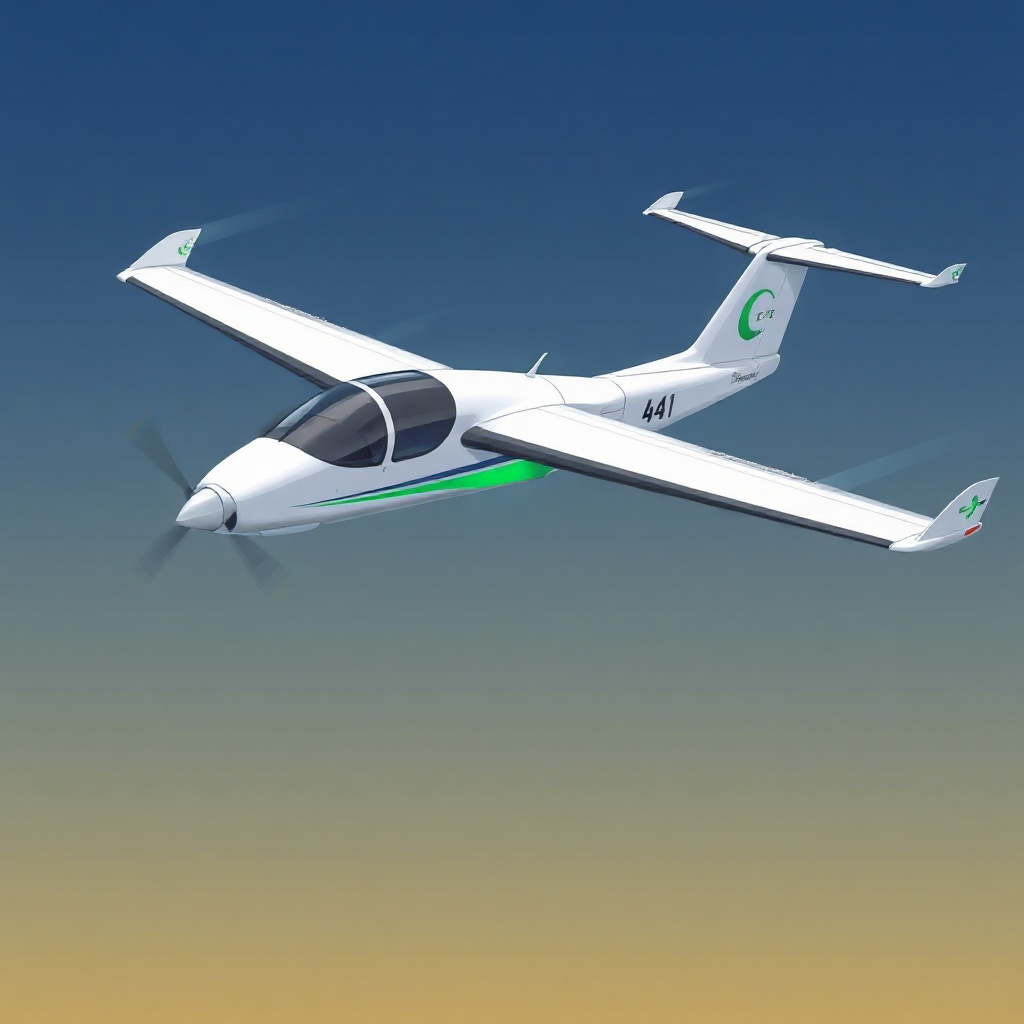
Electric aircraft are revolutionizing the aviation industry, offering a cleaner and more sustainable way to travel. One of the key challenges in electric aircraft design is reducing noise levels to meet regulatory standards and improve the passenger experience. In this article, we will explore the importance of noise reduction in electric aircraft and the innovative technologies being developed to address this issue.
Why is noise reduction important in electric aircraft
The noise generated by aircraft during takeoff, landing, and flight can have a significant impact on the environment and surrounding communities. Excessive noise pollution can lead to health problems, disrupt wildlife, and affect the quality of life for residents near airports. Electric aircraft present an opportunity to reduce noise levels and minimize the negative effects of aviation noise.
What are the challenges of reducing noise in electric aircraft
Electric aircraft use different propulsion systems than traditional fuel-powered planes, which can result in unique noise characteristics. The design and placement of electric motors, propellers, and other components can impact the noise generated during flight. Balancing the need for aerodynamic efficiency with noise reduction poses a challenge for aircraft manufacturers.
How are engineers addressing noise reduction in electric aircraft
Engineers are exploring various strategies to reduce noise in electric aircraft, including optimizing the aerodynamics of the aircraft, developing quieter propulsion systems, and implementing sound-absorbing materials in the aircraft structure. By integrating noise reduction technologies into the design process, engineers can create electric aircraft that are quieter and more environmentally friendly.
What role do regulations play in noise reduction for electric aircraft
Regulatory agencies set noise standards for aircraft to protect the environment and public health. Electric aircraft must meet these standards to be certified for commercial use. By complying with noise regulations, aircraft manufacturers can ensure that their electric planes are safe, efficient, and environmentally responsible.
How does noise reduction benefit passengers and communities
Reducing noise levels in electric aircraft improves the passenger experience by creating a quieter and more comfortable cabin environment. Passengers can enjoy a peaceful flight without the disruptive noise associated with traditional aircraft. Additionally, noise reduction benefits communities near airports by lowering the impact of aircraft noise on residents and wildlife.
What are the future prospects for noise reduction in electric aircraft
As technology continues to advance, the future looks promising for noise reduction in electric aircraft. Innovations in electric propulsion systems, aerodynamics, and materials science will drive further improvements in noise reduction capabilities. By prioritizing noise reduction in aircraft design, the aviation industry can create a more sustainable and harmonious flying experience for passengers and communities.
Related guides: Electric aviation noise impact, Biggest Electric Aircraft Projects, Electric Aircraft Battery Technology
Sources and Further Reading
Related Posts


Leave a Comment
Your comment will be published after it has been approved. Please send comments that do not contain slang words.