
Transportation and Climate Change
Updated September 2, 2026 · 4 min read
As the world grapples with the urgent need to address climate change, the transportation sector has come under increasing scrutiny for its significant contributions to greenhouse gas emissions. In this article, we will explore the intersection of transportation and climate change, focusing on the role of electric vehicles, clean energy, future mobility, and sustainable technology in mitigating the environmental impact of transportation.
The Role of Electric Vehicles in Combating Climate Change
Electric vehicles (EVs) have emerged as a promising solution to reduce carbon emissions from the transportation sector. By replacing traditional internal combustion engine vehicles with EVs powered by clean energy sources such as solar and wind, we can significantly decrease the carbon footprint of transportation and move towards a more sustainable future.
Furthermore, the widespread adoption of EVs has the potential to reshape the automotive industry, creating new opportunities for innovation and investment in clean transportation technologies.
The Evolution of Clean Energy Infrastructure
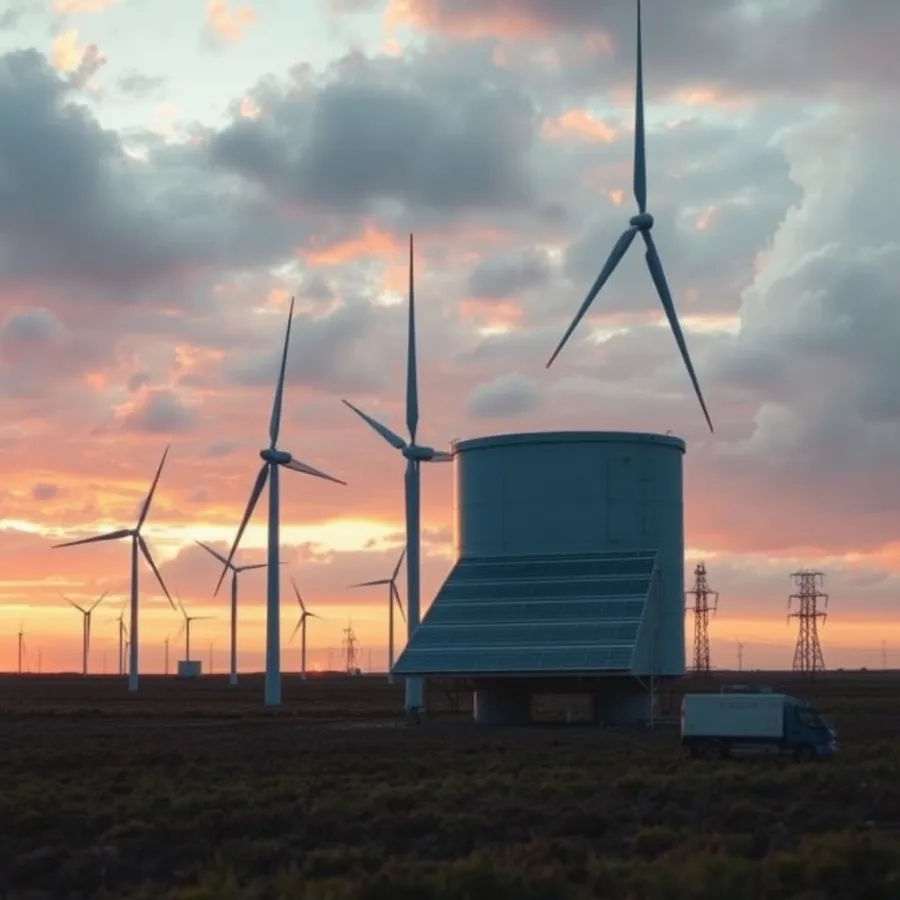
The transition to a low-carbon economy requires the development of robust clean energy infrastructure to support the widespread adoption of electric vehicles. This includes expanding renewable energy generation capacity, improving energy storage technologies, and enhancing grid integration to ensure a reliable and resilient energy supply for EV charging.
- Increasing solar energy installations
- Advancements in photovoltaic technology
- Integration of utility-scale solar projects
Market Trends and Regional Analysis
When examining the global market for electric vehicles and clean energy solutions, it is essential to consider regional variations in adoption rates, regulatory frameworks, and market dynamics. The United States, Europe, China, the Middle East, and India each present unique opportunities and challenges for the growth of sustainable transportation technologies.
By understanding the specific market conditions in each region, stakeholders can tailor their strategies to accelerate the transition to a low-carbon transportation system and drive sustainable development at a global scale.
Investor Perspectives on Clean Energy
Investors play a crucial role in shaping the future of clean energy and transportation by allocating capital to projects that promote sustainability and environmental stewardship. From venture capital funding for innovative startups to large-scale investments in renewable energy infrastructure, the financial sector has a significant influence on the trajectory of the clean energy transition.
- Key considerations for clean energy investment
- Market trends in solar panel efficiency
- Decarbonization strategies for the transportation sector
Challenges and Opportunities in Sustainable Transportation
While the shift towards electric vehicles and clean energy presents tremendous opportunities for reducing greenhouse gas emissions, it also poses challenges related to infrastructure deployment, technology limitations, and market uncertainties. Addressing these obstacles requires collaboration among policymakers, industry stakeholders, and the public to drive innovation and overcome barriers to sustainable transportation.
The Future of Mobility: Predictions and Projections
Looking ahead, the future of mobility is expected to be characterized by autonomous vehicles, shared mobility services, and smart transportation systems that prioritize efficiency and sustainability. By leveraging advanced technologies and data-driven insights, the transportation sector can optimize resource utilization, reduce congestion, and minimize environmental impact while meeting the evolving needs of consumers and communities.
Detailed Comparison Table
| Category | Details | Impact |
| Electric Vehicles | Advancements in battery technology | Reduced carbon emissions |
| Clean Energy Infrastructure | Expansion of solar and wind power | Enhanced grid reliability |
| Market Trends | Regional variations in EV adoption | Opportunities for growth |
Related Topics
Explore more about clean energy investment strategies and the future of electric vehicles in our in-depth analysis.
External Resources
For additional insights on renewable energy and sustainable transportation, refer to the latest reports from NREL and IEA.
Related guides: Climate Change Extreme Weather, Climate Change Migration Patterns and Climate Change Temperature Records.
Frequently Asked Questions
How are electric vehicles powered?
Electric vehicles are powered by rechargeable lithium-ion batteries or fuel cells that convert stored energy into mechanical power to drive the vehicle.
What role does solar energy play in sustainable transportation?
Solar energy can be used to generate electricity for charging electric vehicles, providing a clean and renewable power source for sustainable transportation.
How do grid integration technologies support the adoption of electric vehicles?
Grid integration technologies help manage the demand for electricity from electric vehicles and ensure efficient and reliable charging infrastructure to support widespread adoption.
What are the main challenges in deploying electric vehicle charging infrastructure?
The main challenges include the need for significant investment in charging infrastructure, addressing range anxiety among consumers, and coordinating with utilities to upgrade the electrical grid.
What are the key benefits of transitioning to electric vehicles?
The key benefits include reduced greenhouse gas emissions, improved air quality, lower operating costs, and enhanced energy security through diversified fuel sources.
Final Industry Outlook
As the transportation sector undergoes a profound transformation towards electrification and sustainability, it is essential for stakeholders to collaborate, innovate, and invest in clean energy solutions to mitigate the impacts of climate change and secure a greener future for generations to come.
Related Posts
Leave a Comment
Your comment will be published after it has been approved. Please send comments that do not contain slang words.