
How Renewable Energy Cuts Carbon Emissions: 4 Facts Explained

Updated September 2, 2026 · 2 min read
The short answer to how renewable energy cuts carbon emissions: wind, solar, and other renewable sources generate electricity without burning fossil fuels, so every megawatt-hour of renewable generation directly displaces a megawatt-hour that would otherwise have come from coal or natural gas — the single largest lever any economy has for cutting energy-sector emissions, which account for roughly three-quarters of global greenhouse gas output.
- Electricity generation is the biggest single source of energy-sector emissions, making renewable power the highest-leverage decarbonization lever available.
- Renewables don’t just cut emissions from power plants — electrifying transport and heating multiplies their impact by displacing fossil fuel use in other sectors too.
- Grid carbon intensity varies enormously by region and time of day, meaning “how much” renewable energy cuts emissions depends heavily on what it’s displacing.
- Displacing coal delivers a much bigger emissions cut than displacing natural gas, since coal emits roughly twice the CO2 per unit of electricity.
How Renewable Energy Cuts Carbon Emissions: The Direct Mechanism
| Source displaced | Relative CO2 per MWh | Emissions cut from switching to renewables |
|---|---|---|
| Coal | Highest | Largest — often 80-90%+ reduction |
| Natural gas | Roughly half of coal | Significant but smaller than displacing coal |
| Existing nuclear/hydro | Already low-carbon | Minimal — little to displace |
This is why renewable buildout in a coal-heavy grid delivers a much bigger emissions win than the same buildout in a grid already running mostly on gas, nuclear, or hydro — the displacement math depends entirely on what renewables are actually replacing.
The multiplier effect through electrification
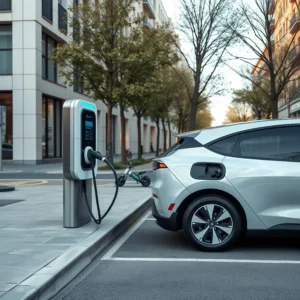
Renewable energy’s climate impact compounds once it starts displacing fossil fuels beyond the power sector itself. An EV charging on a renewable-heavy grid, a heat pump replacing a gas furnace, or an electrified industrial process all convert what used to be direct fossil fuel combustion into electricity demand — and every one of those conversions gets cleaner as the grid supplying them gets cleaner. This is why grid decarbonization and transport/building electrification are treated as a linked strategy, not two separate ones.
Why grid carbon intensity varies so much
The honest complication: a kilowatt-hour of renewable electricity doesn’t cut the same amount of emissions everywhere or at every hour. A region still heavily reliant on coal sees renewables displace the dirtiest possible generation; a region already running mostly on hydro or nuclear sees a much smaller marginal benefit. Time of day matters too — renewable generation displacing a coal “peaker” plant during high demand cuts more emissions than the same generation during an hour when clean baseload was already meeting demand.
How big is the total potential impact
Electricity and heat generation account for roughly a quarter of global greenhouse gas emissions on their own, and energy use broadly (including transport and industry) accounts for roughly three-quarters of the total — meaning a fully renewable-powered, fully electrified energy system represents the largest single decarbonization pathway available, even before accounting for industrial process emissions that renewables alone can’t solve.
Sources and Further Reading
How does renewable energy cut carbon emissions?
Renewable sources like wind and solar generate electricity without burning fossil fuels, so each megawatt-hour of renewable generation directly displaces a megawatt-hour that would otherwise have come from coal or natural gas.
Does renewable energy cut more emissions in some places than others?
Yes, significantly. A region still heavily reliant on coal sees renewables displace the dirtiest generation and gets a large emissions cut; a region already running mostly on hydro or nuclear sees a much smaller marginal benefit.
Is displacing coal better than displacing natural gas?
Yes — coal emits roughly twice the CO2 per unit of electricity that natural gas does, so renewable energy replacing coal generation delivers a substantially larger emissions cut than the same renewable capacity replacing gas.
How does electrification multiply renewable energy’s climate benefit?
As transport and heating shift from direct fossil fuel combustion to electricity (EVs, heat pumps), that demand gets cleaner automatically as the grid supplying it gets cleaner — linking grid decarbonization to broader electrification strategy.
What share of global emissions could renewable energy address?
Electricity and heat generation account for roughly a quarter of global greenhouse gas emissions alone, and total energy use (including transport and industry) accounts for roughly three-quarters — making renewables the largest single decarbonization lever available.
Does time of day affect how much renewables cut emissions?
Yes — renewable generation that displaces a fossil peaker plant during high-demand hours cuts more emissions than the same generation during hours when clean baseload power was already meeting demand.
Related Posts


Leave a Comment
Your comment will be published after it has been approved. Please send comments that do not contain slang words.