
Personal Carbon Footprint Tracking
Updated September 2, 2026 · 4 min read
Table of Contents
- Importance of Tracking
- How It Works
- Benefits of Tracking
- Carbon Offsets
- Smart Traffic Systems
- Regional Considerations
- Urban Mobility Trends
- Frequently Asked Questions
Importance of Tracking
Tracking our personal carbon footprint is essential to understanding the impact of our daily activities on the environment. By monitoring emissions from transportation, energy use, and other sources, we can quantify our contribution to global warming and air pollution. This awareness empowers us to take meaningful steps towards reducing our carbon footprint and living more sustainably.
- Utilize tools like carbon calculators to estimate your emissions
- Compare your emissions to national averages for context
- Identify high-impact areas for emission reduction
- Set achievable goals for reducing your carbon footprint
For more information on emissions from different types of vehicles, including diesel and electric options, visit ZeroCarbonDrive.
How It Works
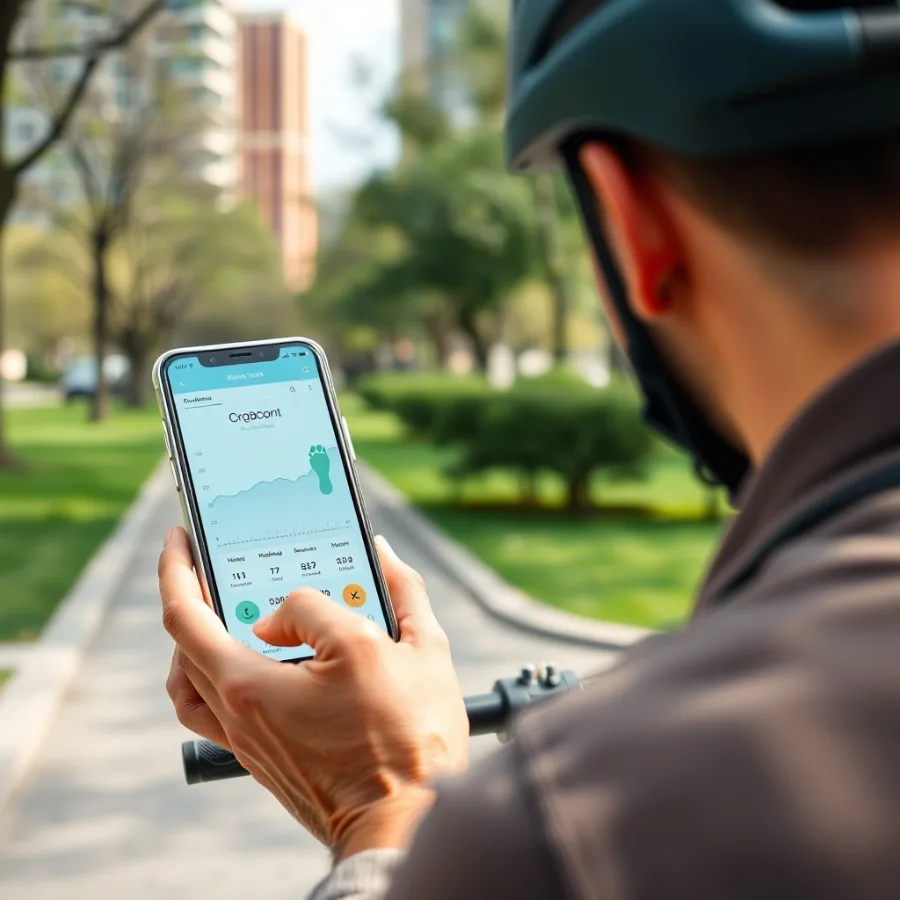
Tracking your personal carbon footprint involves collecting data on your energy consumption, travel habits, and lifestyle choices. Emissions are typically measured in grams of CO2 equivalent per kilometer traveled, reflecting the carbon intensity of different activities. By using tracking apps or online platforms, individuals can input their data and receive a detailed breakdown of their emissions sources.
- Record your daily transportation methods and distances traveled
- Monitor your home energy use and utility bills
- Track your food consumption to include agricultural emissions
- Consider lifestyle factors like shopping habits and waste generation
To learn more about the impact of smart traffic systems on reducing emissions, visit ZeroCarbonDrive.
Benefits of Tracking
Tracking your personal carbon footprint offers numerous benefits beyond environmental awareness. By understanding your emissions profile, you can make informed decisions to reduce your impact on the climate. Additionally, tracking allows you to measure the effectiveness of your emission reduction strategies over time and set new goals for further improvement.
- Empower yourself to make sustainable lifestyle choices
- Reduce your carbon footprint through informed decision-making
- Contribute to a cleaner environment and healthier future
- Join a community of individuals committed to reducing emissions
Carbon Offsets
For emissions that are challenging to eliminate entirely, individuals can consider purchasing carbon offsets to balance out their carbon footprint. Carbon offset projects support renewable energy, reforestation, and other initiatives that reduce greenhouse gas emissions. By investing in carbon offsets, individuals can take responsibility for their unavoidable emissions and support global sustainability efforts.
Smart Traffic Systems
Smart traffic systems play a significant role in reducing emissions from transportation. By optimizing traffic flow, reducing congestion, and promoting alternative modes of transportation, smart traffic systems help decrease the carbon footprint of urban areas. These systems utilize technology and data to improve traffic efficiency and reduce the environmental impact of transportation.
- Implementing traffic signal synchronization to reduce idle time
- Promoting public transportation and cycling infrastructure
- Encouraging carpooling and ridesharing initiatives
- Integrating real-time traffic data for adaptive traffic management
For more insights on smart traffic systems and their impact on emissions reduction, visit ZeroCarbonDrive.
Regional Considerations
- US: The United States has a diverse transportation landscape, with a strong emphasis on personal vehicles and long commutes.
- EU: The European Union focuses on sustainable mobility solutions, including public transportation and cycling infrastructure.
- China: China is investing heavily in electric vehicles and smart city initiatives to reduce emissions from transportation.
- India: India faces challenges with air quality and traffic congestion, driving efforts towards cleaner transportation options.
Urban Mobility Trends
Urban mobility trends are shifting towards sustainable, low-carbon transportation options to address environmental concerns and improve quality of life in cities. Initiatives such as electric vehicle adoption, bike-sharing programs, and pedestrian-friendly infrastructure are gaining momentum globally. By embracing these trends, cities can reduce emissions, ease traffic congestion, and create healthier urban environments.
Explore the latest urban mobility trends and innovations at ZeroCarbonDrive.
Related guides: How to Calculate Your Personal Carbon Footprint, Carbon Tracking Software and Smart Analytics and National Carbon Footprint Rankings.
Frequently Asked Questions
How can I reduce my personal carbon footprint?
You can reduce your personal carbon footprint by making sustainable choices in transportation, energy consumption, and daily habits. Consider using public transportation, biking or walking, reducing energy use at home, and supporting renewable energy sources.
Why is tracking my carbon footprint important?
Tracking your carbon footprint helps you understand your environmental impact, identify areas for improvement, and contribute to global efforts to combat climate change. It empowers you to make informed decisions towards a more sustainable lifestyle.
Can carbon offsets truly neutralize my emissions?
While carbon offsets can help balance out your carbon footprint by supporting emission reduction projects, it’s essential to prioritize emission reduction efforts first. Carbon offsets should complement, not replace, sustainable practices in your daily life.
What role do smart traffic systems play in emissions reduction?
Smart traffic systems optimize traffic flow, reduce congestion, and promote sustainable transportation modes, ultimately reducing emissions from vehicles. By improving traffic efficiency and encouraging eco-friendly transportation options, smart traffic systems contribute to a cleaner urban environment.
TAGS: emissions tracking, carbon intensity, urban mobility, sustainable transport, carbon offsets, smart traffic systems
Sources and Further Reading
Related Posts

1 Comment
Eye-opening tool, reduced emissions, sustainable living achieved.
Leave a Comment
Your comment will be published after it has been approved. Please send comments that do not contain slang words.