
How To Charge An EV Battery
Updated September 2, 2026 · 3 min read
Table of Contents
- Charging Methods
- Factors to Consider
- Efficient Charging Tips
- EV Urban Mobility
- Frequently Asked Questions
Charging Methods
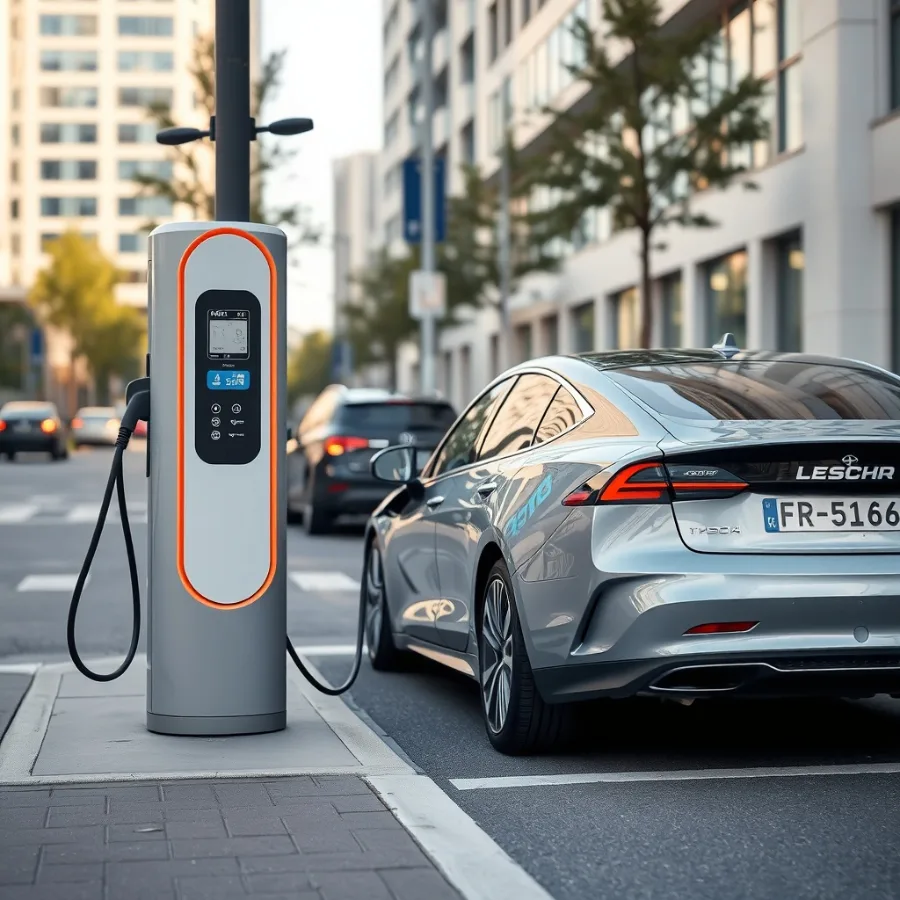
There are several charging methods available for EV owners, each with its own advantages and considerations:
- Level 1 Charging: Uses a standard household outlet and provides a slow charge rate.
- Level 2 Charging: Requires a dedicated charging station and offers a faster charging rate than Level 1.
- DC Fast Charging: Provides the quickest charging option, ideal for long-distance travel and available at public charging stations.
- Wireless Charging: Utilizes electromagnetic fields to transfer energy to the EV without the need for physical cables.
Factors to Consider
When charging an EV battery, it is essential to take into account the following factors:
- Battery Capacity: Understanding the size and capacity of the battery will help determine the appropriate charging time and level.
- Charging Speed: Different charging methods offer varying speeds, so choose the one that aligns with your needs.
- Charging Cost: Consider the cost implications of charging your EV at home versus using public charging stations.
- Environmental Impact: Electric vehicles have lower emissions compared to traditional vehicles, contributing to a cleaner environment.
Efficient Charging Tips
To ensure efficient charging of your EV battery, consider the following tips:
- Charge during Off-Peak Hours: Take advantage of lower electricity rates during off-peak hours to reduce charging costs.
- Maintain Optimal Battery Health: Avoid overcharging or fully depleting the battery to prolong its lifespan.
- Utilize Smart Charging Systems: Implement smart charging systems that optimize charging schedules based on energy demand and cost.
- Monitor Charging Progress: Stay informed about the charging status through mobile apps or vehicle dashboards.
EV Urban Mobility
As urban mobility trends shift towards sustainable transportation options, EVs play a crucial role in reducing emissions and promoting clean mobility:
- US: Incentives and infrastructure development support EV adoption across states.
- EU: Strict emissions regulations drive the growth of EV sales and charging infrastructure.
- China: Government initiatives promote EVs to combat air pollution in major cities.
- India: EV adoption is increasing, driven by urban congestion and environmental concerns.
Related guides: The Cost per Flight: Is It Cheaper to Charge a Battery or Fill a Hydrogen Tank?, How Long To Charge An EV and How to charge EV with clean energy.
Frequently Asked Questions
How long does it take to charge an EV battery?
The charging time for an EV battery varies depending on the battery capacity and the charging method used. On average, it can take anywhere from 30 minutes to several hours to fully charge an EV battery.
Can I overcharge my EV battery?
Modern EV batteries are equipped with systems to prevent overcharging. However, it is recommended to unplug the charger once the battery is fully charged to avoid unnecessary strain on the battery.
Are public charging stations compatible with all EV models?
Public charging stations are designed to be compatible with most EV models on the market. However, it is advisable to check the station’s compatibility with your specific EV model before attempting to charge.
What is the environmental impact of charging an EV battery?
Charging an EV battery has a lower environmental impact compared to traditional vehicles, as EVs produce zero tailpipe emissions. Additionally, charging from renewable energy sources further reduces the carbon footprint of EVs.
TAGS: electric vehicles, battery charging, EV charging process, sustainable mobility, clean transport, charging stations
Sources and Further Reading
Related Posts

Leave a Comment
Your comment will be published after it has been approved. Please send comments that do not contain slang words.