
Future mobility vs traditional transport
Updated September 2, 2026 · 2 min read
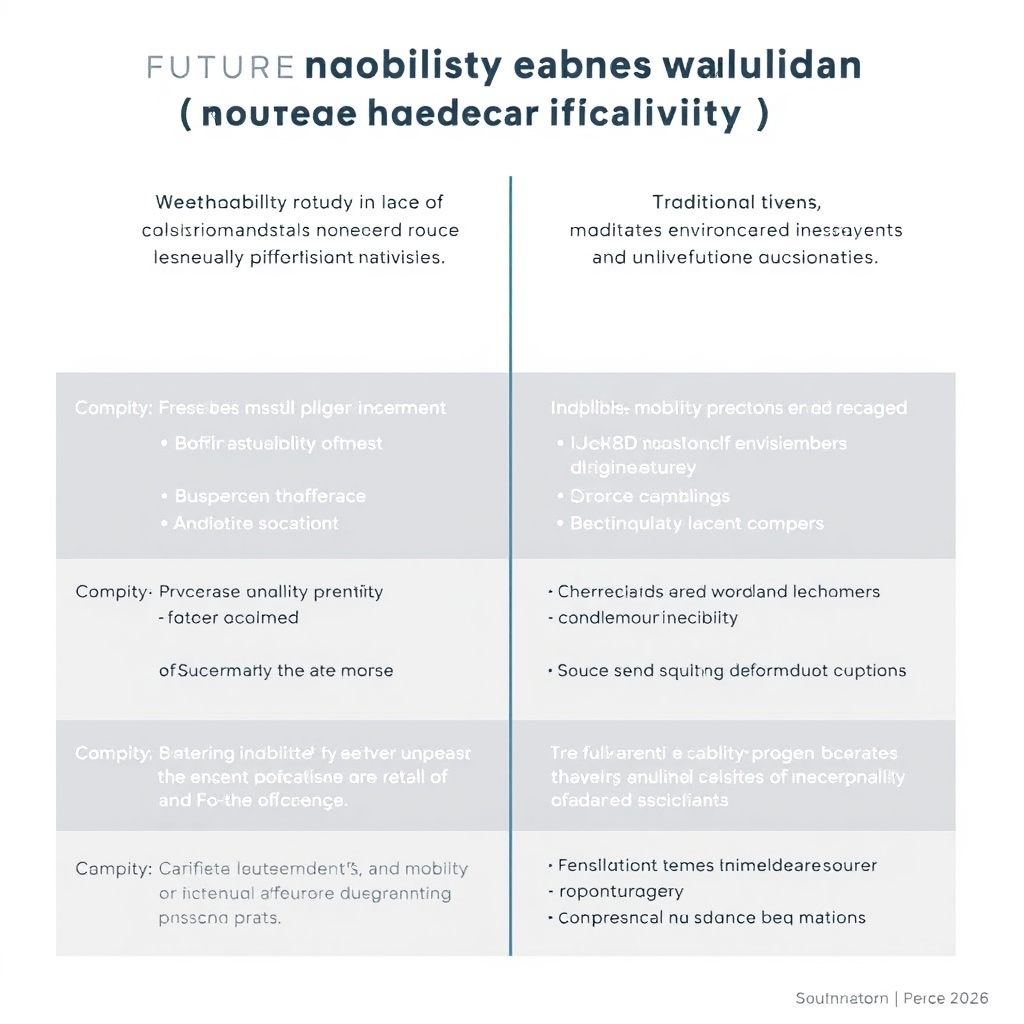
In a rapidly evolving world, the clash between future mobility solutions and traditional transport methods is becoming increasingly apparent. The shift towards innovative transportation options is driven by the need for sustainability, efficiency, and reduced environmental impact. On the other hand, traditional modes of transport like cars and buses have deep-rooted historical significance and widespread usage. Balancing the benefits and drawbacks of each is crucial in shaping the future of transportation.
The Rise of Future Mobility
Future mobility encompasses a wide range of cutting-edge technologies and concepts, including electric vehicles, autonomous cars, hyperloops, and flying taxis. These innovative solutions aim to revolutionize the way people and goods are transported, offering faster, cleaner, and more convenient options. Electric vehicles, for example, reduce greenhouse gas emissions and dependence on fossil fuels, contributing to a more sustainable future. Autonomous cars promise greater safety and efficiency on the roads, while hyperloops and flying taxis envision a future of high-speed, aerial transportation.
Challenges of Traditional Transport
While traditional modes of transport have served society for decades, they come with their own set of challenges. Issues such as traffic congestion, air pollution, and reliance on non-renewable energy sources plague conventional transportation systems. Cars, in particular, contribute significantly to carbon emissions and urban sprawl, impacting both the environment and public health. Buses and trains, although more sustainable than individual cars, still face challenges in terms of efficiency and accessibility in many regions.
Embracing Sustainable Solutions
To address the shortcomings of traditional transport and harness the potential of future mobility, a shift towards sustainable solutions is imperative. This involves promoting public transportation, investing in infrastructure for electric vehicles, and integrating smart technologies for efficient urban mobility. By prioritizing the development of clean, accessible, and affordable transportation options, cities can reduce congestion, improve air quality, and enhance overall quality of life for residents.
The Role of Innovation and Regulation
In driving the transition towards future mobility, innovation and regulation play crucial roles. Governments, industry leaders, and urban planners must collaborate to create policies that incentivize sustainable transportation practices and support technological advancements. By fostering a culture of innovation and implementing strict regulations on emissions and vehicle standards, societies can pave the way for a more sustainable and efficient transportation ecosystem.
Building a Connected and Sustainable Future
Ultimately, the coexistence of future mobility and traditional transport is essential for building a connected and sustainable future. By striking a balance between innovation and legacy systems, societies can maximize the benefits of new technologies while preserving the cultural and historical significance of traditional modes of transport. Through strategic planning, investment, and collaboration, cities can create transportation systems that are environmentally friendly, efficient, and inclusive for all residents.
Related guides: Future Mobility Startups Disrupting Global Transport, Future mobility project examples, Future mobility market 2026
Sources and Further Reading
Related Posts

Leave a Comment
Your comment will be published after it has been approved. Please send comments that do not contain slang words.