
Are Electric Vehicles Worth It? (2026): The Honest Answer

Updated September 2, 2026 · 4 min read
Last updated: September 1, 2026
Quick answer: For most drivers, yes — electric vehicles are worth it, primarily through lower fuel and maintenance costs that typically save a few thousand dollars over 5 years, plus a genuine climate benefit that beats gasoline in nearly every US grid region. The exceptions: drivers without home charging access, those doing mostly long-distance highway driving without time to charge, or buyers in regions with unusually high electricity and insurance costs relative to gas prices should run their own numbers before assuming the general answer applies.
Key takeaways
- Electric vehicles are worth it financially? Usually yes with home charging — fuel and maintenance savings typically outweigh higher insurance and purchase price over 5 years.
- The climate case is strong and improving yearly as grids add renewable energy, independent of the financial case.
- Home charging access is the single biggest variable determining whether the financial case holds for you specifically.
- Used EVs with verified battery health often deliver the best value in the entire market today.
The Financial Case: Electric vehicles are worth it?

| Cost factor | EV | Gas car | Verdict |
|---|---|---|---|
| Fuel/energy | Roughly half per mile at home rates | Full gasoline cost | EV wins clearly |
| Maintenance | ~40% less — no oil, fewer moving parts | Regular service required | EV wins clearly |
| Insurance | Often 10-25% higher | Baseline | Gas car wins |
| Purchase price | Often higher upfront, narrowing yearly | Often lower upfront | Gas car wins on sticker, EV often wins on total cost |
Our detailed EV ownership costs guide runs the full five-year math: the answer to “electric vehicles are worth it” comes out positive by a modest but real margin for most drivers with home charging, and the margin widens further with a time-of-use electricity plan.
The Climate Case: A Separate but Related Question

Beyond dollars, electric vehicles are worth it environmentally? The full-lifecycle answer, covered in depth in our electric car carbon footprint guide, is yes — an EV typically overtakes a comparable gas car’s total emissions within 1-2 years of driving despite a higher manufacturing footprint, then wins for the rest of its life. Unlike the financial case, this environmental advantage improves automatically every year as grids add renewable capacity, requiring no action from the owner.
When the Answer Might Be “Not Yet” for You
- No home or workplace charging access. Relying entirely on public charging erodes much of the cost advantage — see our public EV charging cost guide for the real numbers.
- Mostly long-distance highway driving. Frequent road trips without charging stops built into the schedule suit a gas car’s refueling speed better, at least until charging networks mature further.
- Very low annual mileage. Fuel savings compound with distance driven — a driver covering very few miles per year captures less of the running-cost advantage relative to any price premium.
- Extremely tight upfront budget. Even with excellent long-term value, the higher typical purchase price can be the deciding factor — though used EVs (below) change this calculus.
The Best-Value Path: Used EVs
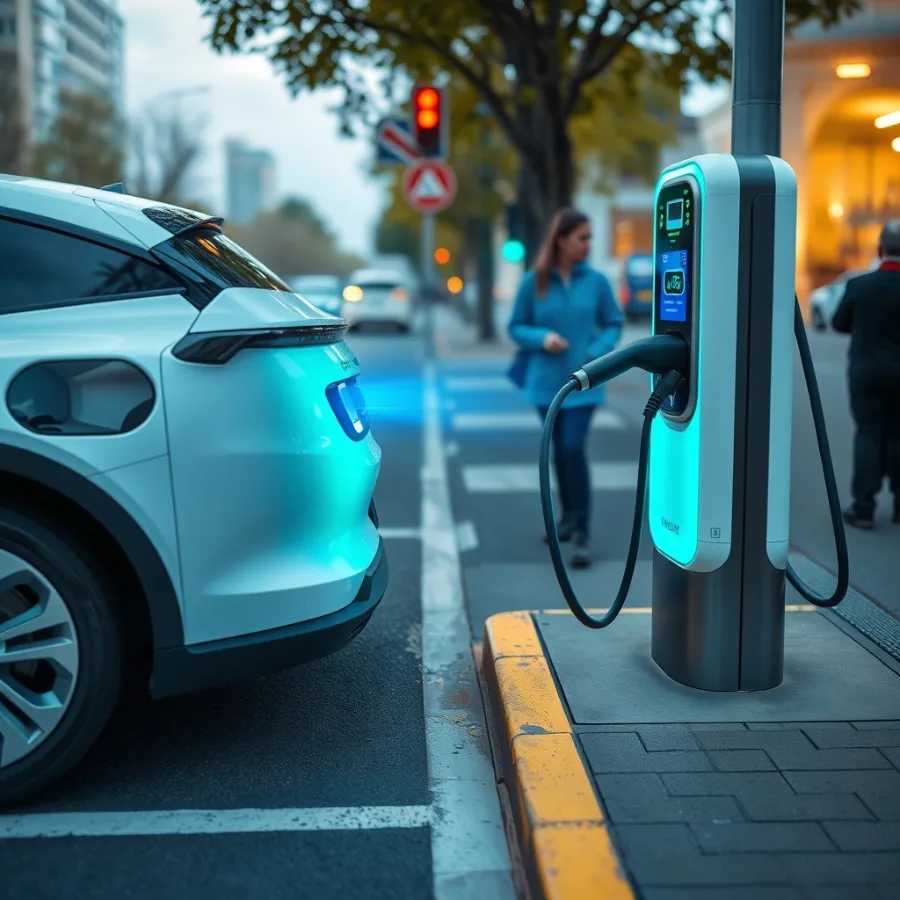
For budget-conscious buyers still asking “electric vehicles are worth it,” a verified used EV is often the strongest answer available: 3-year-old models with documented battery health reports commonly sell for a fraction of new-EV pricing, already past the steepest depreciation, with real warranty life often remaining. See our affordable electric cars guide for the specific used-buying checklist.
Electric vehicles are worth it FAQ
Electric vehicles are worth it financially?
Usually yes with home charging – fuel and maintenance savings typically outweigh higher insurance and purchase price by a modest but real margin over five years. The advantage widens with a time-of-use electricity plan.
Electric vehicles are worth it for the environment?
Yes – despite a higher manufacturing footprint from the battery, an EV typically overtakes a comparable gas car’s total lifecycle emissions within 1-2 years of driving, then keeps winning for the rest of its life, improving further as grids add renewables.
When are electric vehicles NOT worth it?
Mainly for drivers without home or workplace charging access, those doing mostly long-distance highway driving without charging stops built in, or very low-mileage drivers who capture less running-cost advantage relative to any price premium.
Is a used EV a good value?
Often the best value in the entire market – a 3-year-old EV with a verified battery health report captures most of the depreciation already, at a fraction of new pricing, with real warranty life frequently remaining.
Do EVs really save money on maintenance?
Yes, substantially – no oil changes, spark plugs, or many of the wear items a gas engine needs, plus regenerative braking extends brake life significantly. Typical savings run around 40% versus a comparable gas car.
What is the single biggest factor in whether an EV is worth it?
Home charging access, by a wide margin. It determines both your real-world running costs and your day-to-day convenience more than any other single variable in the entire ownership equation.
Related Guides on ZeroCarbonDrive
- EV ownership costs — the full five-year financial breakdown
- Electric car carbon footprint — the full lifecycle environmental case
- Affordable electric cars — the best-value buying paths
Sources and Further Reading
Related Posts

Leave a Comment
Your comment will be published after it has been approved. Please send comments that do not contain slang words.