
Grid Responsive Charging: How It Actually Works

Updated September 2, 2026 · 2 min read
Grid responsive charging means an EV’s charging schedule automatically adjusts based on real-time or forecasted grid conditions — pulling more power when renewable generation is abundant or electricity is cheap, pausing or slowing during high-demand peaks — turning what would otherwise be a fixed, dumb load into a flexible resource that actively helps grid operators manage variable renewable generation.
- Grid responsive charging shifts EV charging timing based on grid signals, not just a fixed schedule set by the driver.
- It’s distinct from vehicle-to-grid (V2G) — grid-responsive charging only controls when charging happens, while V2G lets the car discharge power back out.
- Utility time-of-use rates are the simplest, most widespread form, but real-time dynamic programs offer bigger potential grid benefits.
- At scale, millions of grid-responsive EVs represent a meaningful demand-flexibility resource that helps integrate more renewable generation.
How grid responsive charging actually works
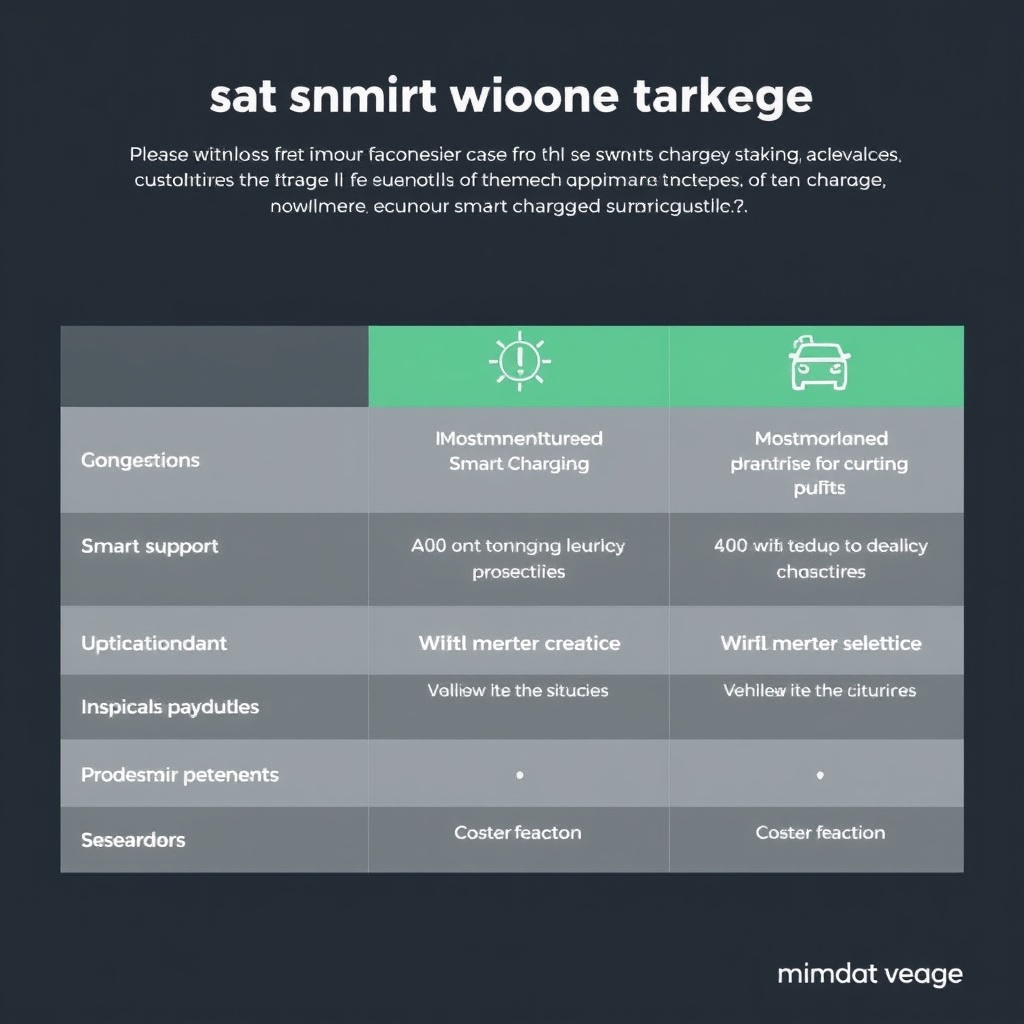
| Approach | How it responds to the grid | Sophistication |
|---|---|---|
| Time-of-use rates | Charges during pre-set off-peak hours | Simple, widespread today |
| Utility demand-response programs | Pauses/reduces charging during specific grid-called events | Moderate, opt-in programs common |
| Real-time dynamic charging | Continuously adjusts based on live grid/price signals | Advanced, growing but less widespread |
Why this differs from vehicle-to-grid (V2G)
Grid responsive charging and V2G are often confused but represent different levels of grid interaction: grid-responsive charging only controls WHEN a vehicle draws power from the grid, shifting demand toward favorable times without ever sending power back out. V2G goes further, allowing the vehicle’s battery to actually discharge stored power back into the grid or home. Grid-responsive charging requires only a standard charger with smart control, while V2G requires specialized bidirectional hardware — making grid-responsive charging the more widely deployable near-term technology of the two.
From simple time-of-use to real-time dynamic response
The simplest and most widespread form of grid-responsive charging is time-of-use utility rates, where charging shifts to pre-set cheaper overnight hours — useful, but not truly responsive to real-time grid conditions. More advanced programs use live grid signals or real-time electricity prices to continuously adjust charging rate throughout the session, offering meaningfully more grid benefit by responding to actual conditions rather than a fixed schedule set months or years in advance.
Why this matters at scale, not just for individual drivers
A single grid-responsive EV shifting its charging by a few hours barely registers on a grid’s overall demand picture. But millions of EVs doing the same thing in aggregate represents a genuinely significant flexible demand resource — one that can help absorb excess renewable generation during high-output periods and reduce strain during peak demand, functioning as a distributed grid asset that didn’t exist before widespread EV adoption began.
Sources and Further Reading
What is grid responsive charging?
Grid responsive charging automatically adjusts an EV’s charging schedule based on real-time or forecasted grid conditions, pulling more power when renewable generation is abundant or cheap, and pausing during high-demand peaks.
Is grid responsive charging the same as vehicle-to-grid (V2G)?
No — grid responsive charging only controls when a vehicle draws power, while V2G goes further by letting the vehicle’s battery discharge power back to the grid, requiring specialized bidirectional hardware.
What is the simplest form of grid responsive charging?
Time-of-use utility rates, which shift charging to pre-set cheaper overnight hours, are the simplest and most widespread form, though they don’t respond to real-time grid conditions the way advanced dynamic programs do.
Do I need special equipment for grid responsive charging?
Generally just a standard smart charger with connectivity, unlike V2G which requires specialized bidirectional charging hardware capable of sending power back out of the vehicle.
Does grid responsive charging actually help the grid at scale?
Yes — while one vehicle’s shifted charging barely matters, millions of EVs doing so in aggregate represent a significant flexible demand resource that helps absorb excess renewable generation and reduce peak demand strain.
Do utilities offer incentives for grid responsive charging?
Many utilities offer time-of-use rate discounts or demand-response program incentives for EV owners who allow their charging to be shifted or paused during specific grid events.
Related Posts

Leave a Comment
Your comment will be published after it has been approved. Please send comments that do not contain slang words.