
Smart mobility and connectivity
Updated September 2, 2026 · 2 min read
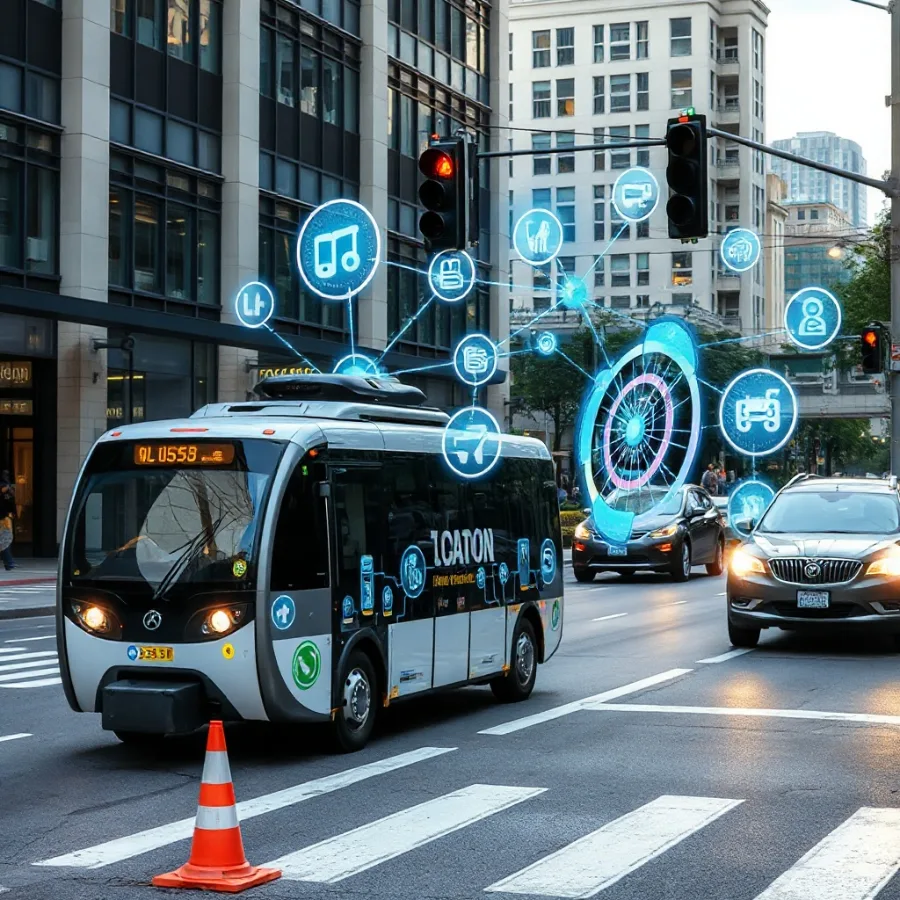
The world of smart mobility and connectivity is rapidly changing, revolutionizing the way we think about transportation. From autonomous vehicles to real-time traffic data analysis, technology is reshaping urban infrastructure and paving the way for a more efficient and sustainable future. As we dive deeper into the realm of transportation technology, it becomes evident that the possibilities are endless, offering a glimpse into a world where connectivity and mobility merge seamlessly to enhance our daily lives.
The Rise of Smart Mobility
Smart mobility encompasses a wide range of technologies and innovations designed to improve transportation systems. One of the key drivers of this transformation is the introduction of autonomous vehicles, which are set to revolutionize the way we travel. These self-driving cars utilize advanced sensors and software to navigate roads, reducing traffic congestion and improving road safety. Additionally, the rise of ride-sharing services and electric vehicles is reshaping the way we think about urban transportation, promoting sustainability and reducing emissions.
The integration of smart mobility solutions also extends to public transportation systems, where digital platforms and real-time data analysis are enhancing the overall commuter experience. By implementing smart ticketing systems and predictive analytics, cities can optimize routes, reduce wait times, and improve the reliability of public transport networks. This shift towards connected and intelligent transportation systems is not only improving efficiency but also enhancing the overall quality of life for residents in urban areas.
The Impact of Connectivity
Connectivity plays a crucial role in the evolution of smart mobility, enabling seamless communication between vehicles, infrastructure, and users. The emergence of 5G technology is set to further enhance connectivity, providing faster and more reliable network speeds for connected vehicles and smart devices. With the proliferation of Internet of Things (IoT) devices, cities can collect real-time data on traffic patterns, air quality, and infrastructure performance, allowing for more informed decision-making and resource allocation.
In addition to improving transportation efficiency, connectivity also opens up new opportunities for innovation and economic growth. The integration of smart technology into transportation systems creates a platform for the development of new services and business models, driving job creation and fostering entrepreneurship. As cities continue to embrace digital transformation, the potential for smart mobility and connectivity to shape the future of transportation is limitless, offering a path towards a more sustainable and interconnected world.
Related guides: Future mobility and smart cities, Data privacy in smart mobility, Smart Mobility Explained
Sources and Further Reading
Related Posts


Leave a Comment
Your comment will be published after it has been approved. Please send comments that do not contain slang words.