
Robotaxis market projections
Updated September 18, 2026 · 3 min read
- Robotaxis market projections put the global market at $198.6 billion by 2033, growing at a 66.7% CAGR — but 2026 reveals a massive gap between the leaders.
- Waymo dominates: $355M annualized revenue (Feb 2026), 500,000 weekly paid trips across 10 US cities, targeting 1 million weekly rides by year-end.
- Baidu’s Apollo Go leads globally on cumulative rides (20 million by Feb 2026) and is undercutting on cost with $28-30K purpose-built robotaxis.
- Tesla trails badly in real deployment: just 25 unsupervised vehicles across three Texas cities as of March 2026, despite years of robotaxi promises.
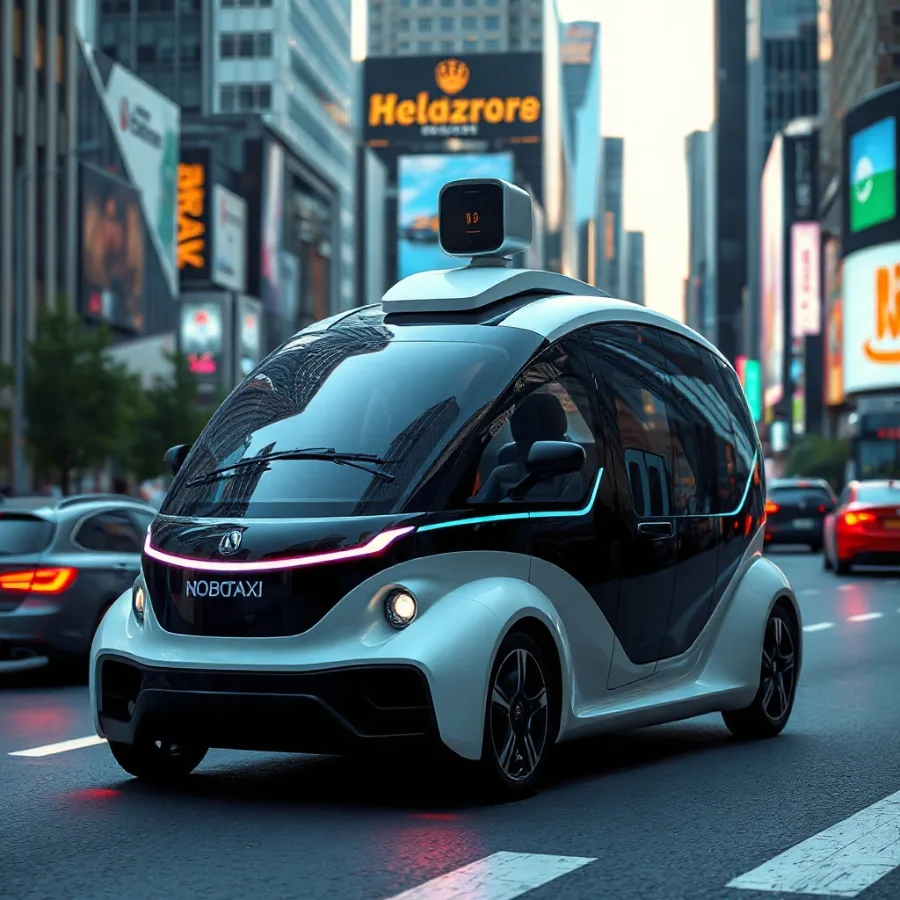
Current robotaxis market projections point to a $198.6 billion global market by 2033 — but the 2026 reality shows just how uneven the race is today. Waymo has pulled decisively ahead on revenue and US scale, Baidu leads on global ride volume and cost, and Tesla’s actual deployed fleet remains tiny compared to its public robotaxi narrative.
The Numbers, Company by Company
| Company | 2026 status | Key metric |
|---|---|---|
| Waymo | Market leader in the US | $355M annualized revenue (Feb 2026), 500,000 weekly paid trips, 10 cities |
| Baidu Apollo Go | Global ride-volume leader | 20M cumulative rides by Feb 2026; 250,000 driverless orders/week |
| Tesla | Limited real deployment | 25 unsupervised Model Y vehicles across 3 Texas cities |
Why Waymo Is Pulling Ahead

Waymo’s revenue nearly tripled from 2024 to 2025 (15 million rides served in 2025), and momentum accelerated into 2026: annualized revenue jumped from $284M at the end of 2025 to $355M by February 2026. The company raised a $16 billion investment round in February 2026, valuing it at $126 billion post-money — a strong signal that investors see the current growth curve as durable, not a fluke.
Baidu’s Different Strategy: Volume and Cost
| Factor | Baidu Apollo Go approach |
|---|---|
| Vehicle cost | $28,000-$30,000 per purpose-built robotaxi (domestic LiDAR) |
| Regulatory environment | Favorable posture in China supports faster scaling |
| Cumulative rides | 20 million worldwide by February 2026 |
| Weekly ride pace | Matched Waymo’s April 2025 weekly volume (250,000/week) by October 2025 |
Where Waymo is optimizing for US regulatory navigation and premium service, Baidu is optimizing for hardware cost and rapid international scaling — genuinely different bets on how the market plays out.
The Tesla Gap

Tesla’s actual deployed robotaxi fleet — 25 unsupervised vehicles across Austin, Houston, and Dallas as of March 2026 — is a small fraction of Waymo’s or Baidu’s scale, despite years of public statements about robotaxi ambitions. Tesla’s rollouts also still mix in human safety monitors alongside unsupervised rides in some markets, a step Waymo and Apollo Go have already moved past in their core operating cities.
What the Growth Rate Actually Implies
A 66.7% CAGR toward $198.6 billion by 2033 assumes continued rapid scaling from today’s still-small base — Waymo’s 500,000 weekly trips is meaningful but still a rounding error next to total US ride-hailing demand. The market’s growth trajectory depends heavily on regulatory approval spreading to more cities and states, not just on the technology itself being ready.
One-Minute Recap
- Global robotaxi market projected at $198.6B by 2033, 66.7% CAGR.
- Waymo leads the US: $355M annualized revenue, 500,000 weekly trips, targeting 1M/week by year-end 2026.
- Baidu leads on global volume and cost with $28-30K purpose-built robotaxis.
- Tesla’s real fleet (25 vehicles, 3 cities) trails far behind its public narrative.
Related guides: Urban Air Mobility, AI Impact on Traffic Management
How big is the robotaxi market projected to be?
The global robotaxi market is projected to reach $198.6 billion by 2033, growing at a 66.7% compound annual growth rate from today’s base.
Which company leads the robotaxi market in 2026?
Waymo leads in the US by revenue and scale ($355M annualized revenue, 500,000 weekly paid trips across 10 cities), while Baidu’s Apollo Go leads globally on cumulative ride volume with 20 million rides by February 2026.
How many robotaxis does Tesla actually have on the road?
As of March 2026, Tesla operates just 25 unsupervised Model Y robotaxis across three Texas cities (Austin, Houston, Dallas) — far smaller than Waymo’s or Baidu’s deployed fleets.
Why is Baidu’s robotaxi strategy different from Waymo’s?
Baidu focuses on low hardware cost ($28,000-$30,000 per vehicle using domestic LiDAR) and rapid scaling under China’s favorable regulatory environment, while Waymo focuses on premium service and US market navigation.
How much has Waymo raised in funding?
Waymo raised a $16 billion investment round in February 2026, valuing the company at $126 billion post-money.
Is the robotaxi market actually growing fast right now?
Yes — Waymo’s revenue nearly tripled from 2024 to 2025 and continued climbing into 2026, and Baidu’s Apollo Go has scaled to 250,000 driverless rides per week, though the base is still small relative to total ride-hailing demand.
Robotaxis Market Projections: Sources and Further Reading
- Sacra: Waymo vs. Tesla vs. Baidu Revenue Analysis
- SQ Magazine: Robotaxi Statistics 2026 — Trips, Fleets, Revenue and Safety Data
- Next Big Future: Baidu’s Apollo Go Analysis
Every figure on this page is dated and linked to its source. How we verify · Editorial policy · Report a correction
Related Posts

Leave a Comment
Your comment will be published after it has been approved. Please send comments that do not contain slang words.